Sumner250 Icon

Sumner County, Tennessee

Historical Sites

Explore the places, structures, and landscapes that help tell the story of Sumner County.

From early homes and civic spaces to places of worship, memory, and gathering, these sites reflect the people and communities that shaped the county over time.

Historical places help anchor memory. They allow visitors and residents alike to connect the county’s story to real buildings, roads, landscapes, and communities that remain part of Sumner County today.

Places to Explore

Site Directory

Browse notable locations and learn more about their place in the county’s historical record.

Bowen House

Historical Site

Bowen House

Constructed1787

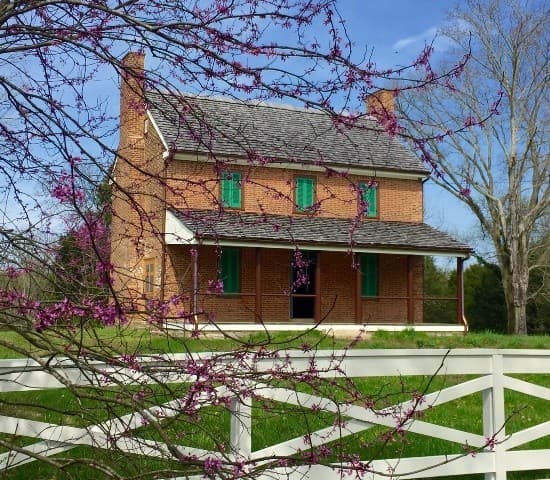
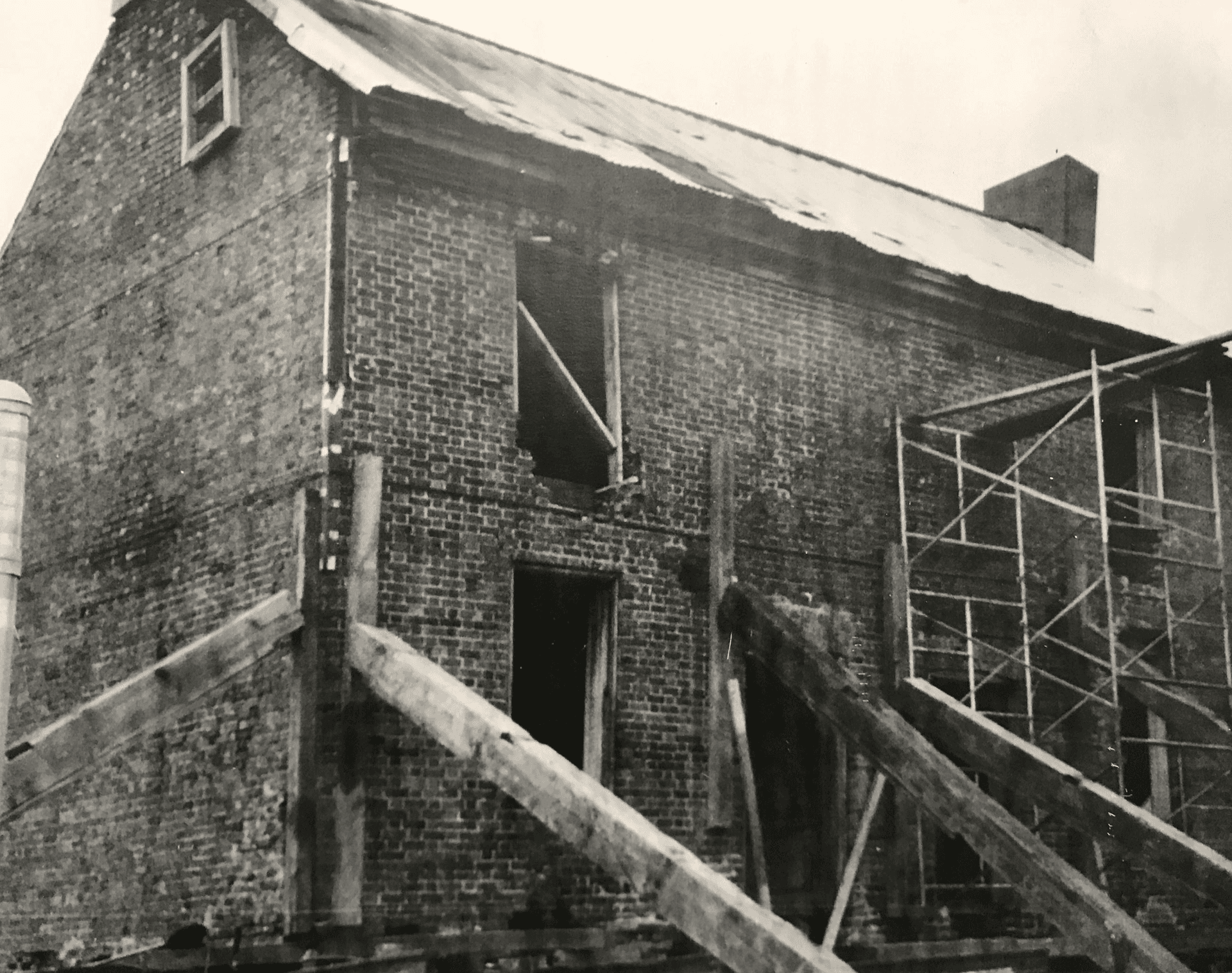
Captain William Bowen brought his family to what is now Sumner County in 1784. He first built a double log cabin on the bank of Mansker’s Creek before erecting a brick home in 1787. Now within the present limits of Goodlettsville, the Bowen-Campbell House is the oldest brick house in Middle Tennessee. In 1995 archaeologists uncovered the original brick kiln, also the oldest in the region, fifty feet east of the house. The bricks on the original hall-parlor portion of the house were laid in Flemish bond. Family records indicate brick and stone masons, as well as window glass, were imported from Lexington, Kentucky. The Bowen-Campbell House Association, in conjunction with the Tennessee Historical Commission, restored the house in 1976. Archaeological recovery and rebuilding of the plantation’s outbuildings and appurtenances are presently in progress. Archaeologists discovered the family cemetery in 1995 and restored it in 1996. Captain Bowen was a veteran of Lord Dunmore’s War, the French and Indian War, and the American Revolution. His grandson, Brigadier General William Bowen Campbell, born in the house, served in the Seminole, Mexican, and Civil Wars. Campbell served one gubernatorial term, 1851-53 and three terms as a U.S. congressman, 1837-43. He was also president of the Bank of Middle Tennessee. Bowen’s daughter, Celia, married Barton W. Stone, cofounder of The Disciples of Christ church. Bowen’s son, John, served one term in the U.S. Congress, 1813-15.
Address705 Caldwell Drive, Goodlettsville, TN 37072
Contact(615) 859-3678
Cragfont

Historical Site

Cragfont

Constructed~1798

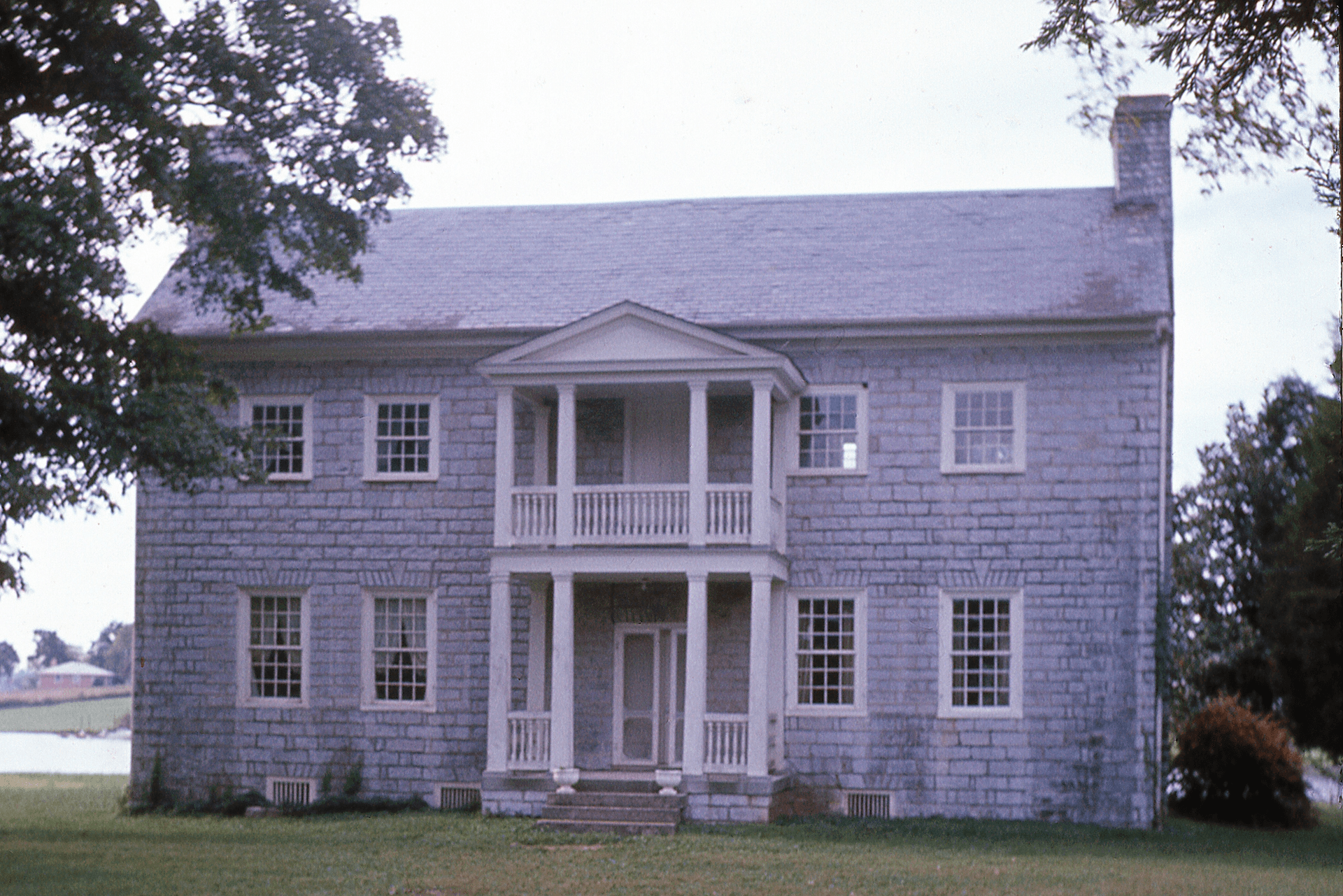
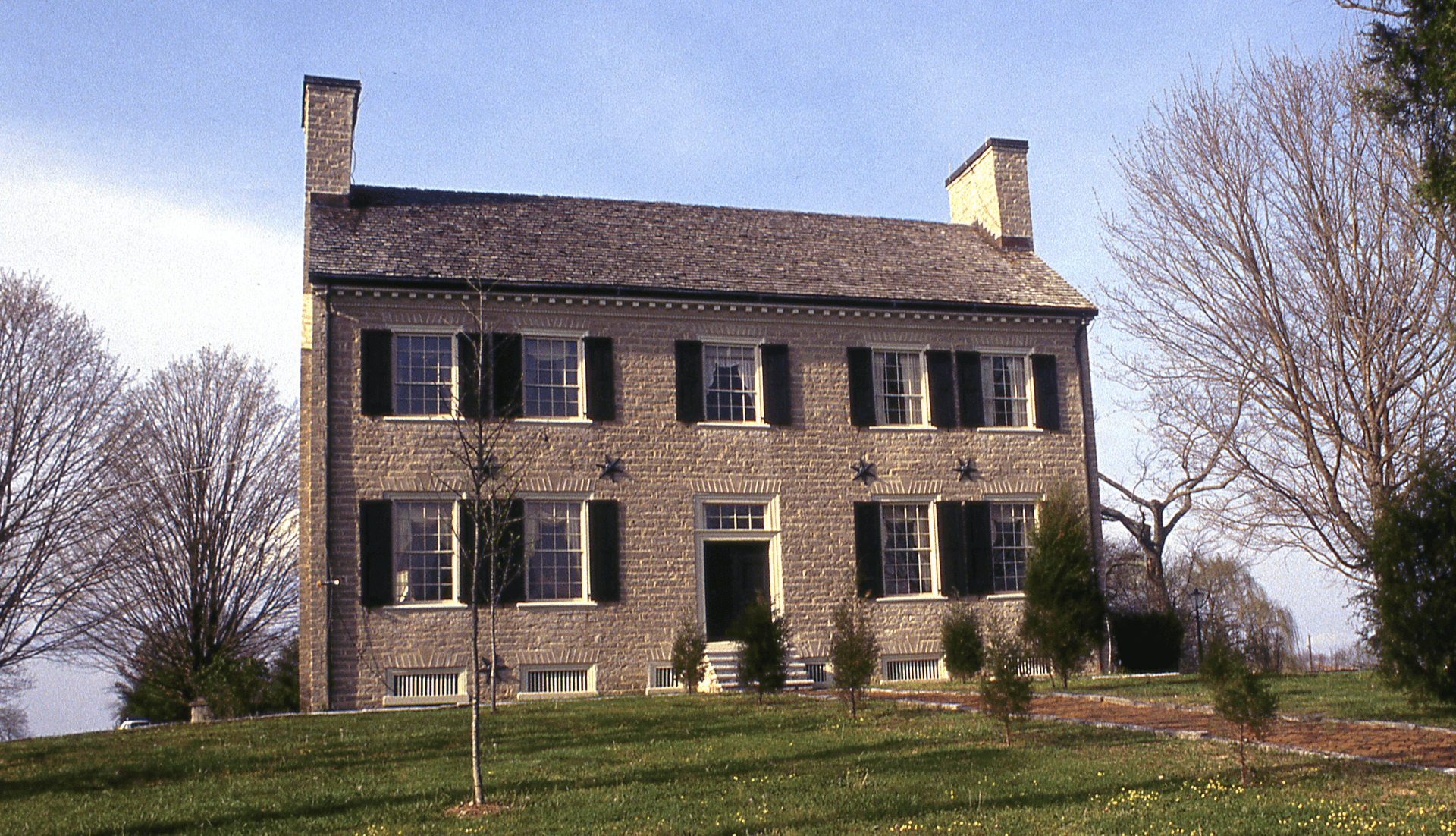
Cragfont is a beautiful Georgian-style mansion located on a craggy eminence above Bledsoe’s Creek seven miles east of Gallatin. James and Susan Black Winchester had the house designed and built between 1798-1802. The masons built the two-story house of gray, rough-finished native limestone quarried near the site. When completed, it was the most elegant residence on the Tennessee frontier, the first to reflect the grandeur and style of the fine eighteenth-century homes of Maryland and Virginia. Cragfont is T-shaped with the front section representing the top of the T and the rear wing its stem. At first the rear wing was erected of a single story, but a second floor for a ballroom was added circa 1810 using brick walls covered with stucco. The first floor included the parlor, entrance hall, office, library, a cross hall, dining room, kitchen, and, separated by a massive stone fire wall, a smokehouse. The owners’ bedroom, a hallway, two other bedrooms, a ballroom, and card room were upstairs. From the ballroom a stairway rose to a partially finished attic. Broad porticoes flanked the rear wing at both levels. An elaborate garden was situated on the east side of the house. Some sixty yards north was the family cemetery. Slaves lived in row quarters in an area west of the cemetery; the slave quarters have not survived. Cragfont was always home for Susan and James Winchester’s family of eight daughters and six sons. James died in 1826, but Susan lived there until her death in 1862. In 1958 the Tennessee Historical Commission acquired Cragfont, which is listed on the National Register of Historic Places and now is open to the public.

Address200 Cragfont Road, Castalian Springs, Tennessee 37031
Contact(615) 452-7070
Douglass-Clark House

Historical Site

Douglass-Clark House

Constructed~1786

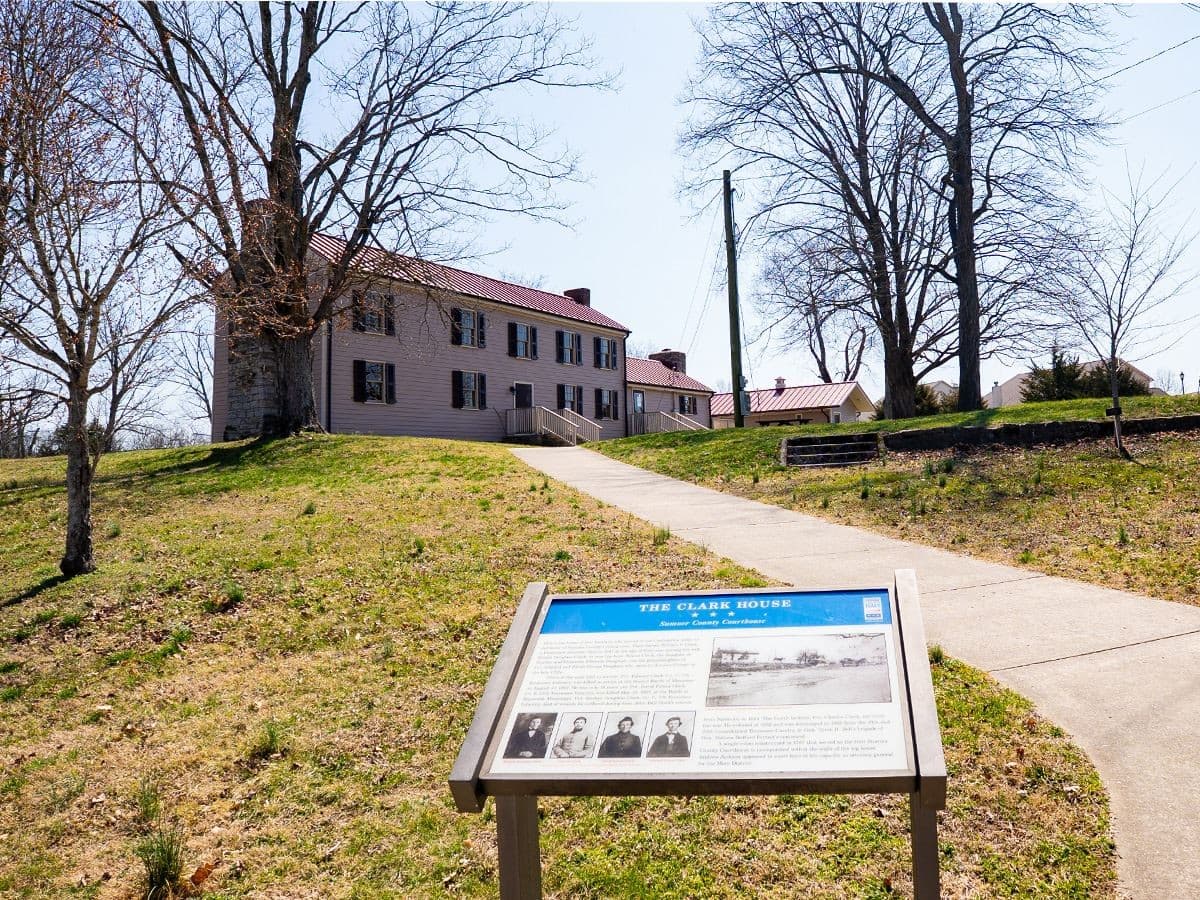
The Douglass-Clark House, located in Gallatin, Sumner County, Tennessee, is a historic site dedicated to sharing the multifaceted history of Sumner County and its past residents. Initially built as a home for Elmore Douglass and his family around 1786, the house was jointly used as one of the county's earliest courthouses between 1788-1790. Many different kinds of cases were tried at the house and many of the area’s earliest residents visited the house for such hearings. Andrew Jackson, who later became president, tried several cases at the property in his early law career between 1789-1790. The house and property were later sold by Elmore Douglass to his brother Reuben. The Clark family was the next generation to occupy the house beginning in 1831 when Emma Douglass, daughter of Reuben Douglass, married William Clark. Slavery was also deeply intertwined with the history of the Douglass-Clark House as documentation listed enslaved persons living at the property as early as 1790. During their years in the house, the Clark family persevered after the premature death of William Clark in 1847 and witnessed the declaration of the Civil War in 1861 followed by four of their own enlisting on behalf of the Confederate cause. Of the four young Clark men that enlisted, only one returned home after the close of the war.

Address2115 Long Hollow Pike, Gallatin, Tennessee 37066
Hawthorne Hill

Historical Site

Hawthorne Hill

Constructed1806

Constructed in 1806, Hawthorne Hill was originally owned by John Bearden who had the Federal-style brick house constructed. Shortly after in 1817, Colonel Humphrey Bate, a war of 1812 veteran, purchased the property, and it remained in the Bate family until 1936. Hawthorn Hill is notable both as an example of early Tennessee architecture as well as for the accomplishments of Dr. Humphrey Howell Bate, Jr., the grandson of Colonel Humphrey Bate. Dr. Bate Jr. is most well-known for his leading role in the string band called “Dr.Humphrey Bate and His Possum Hunters.” Bate played the harmonica which, according to family tradition, he learned from the one of the formerly enslaved workers at Hawthorn Hill. In 1925, the band first performed on the WDAD radio station, where they quickly gained popularity and led to them becoming the first old-time string band to play at the newly established Grand Ole Opry. During this time, his daughter, Alcyone Bate, who played ukulele, became the first woman to play at the Grand Ole Opry. In 2007, Hawthorn Hill become property of the Tennessee Historical Commission and currently operates under the management of Historic Castalian Springs.

Address195 Old Hwy 25, Castalian Springs, TN 37031
Contact(615) 452-7070 · director@historiccastraliansprings.org
Manskers Station

Historical Site

Manskers Station

Constructed1988

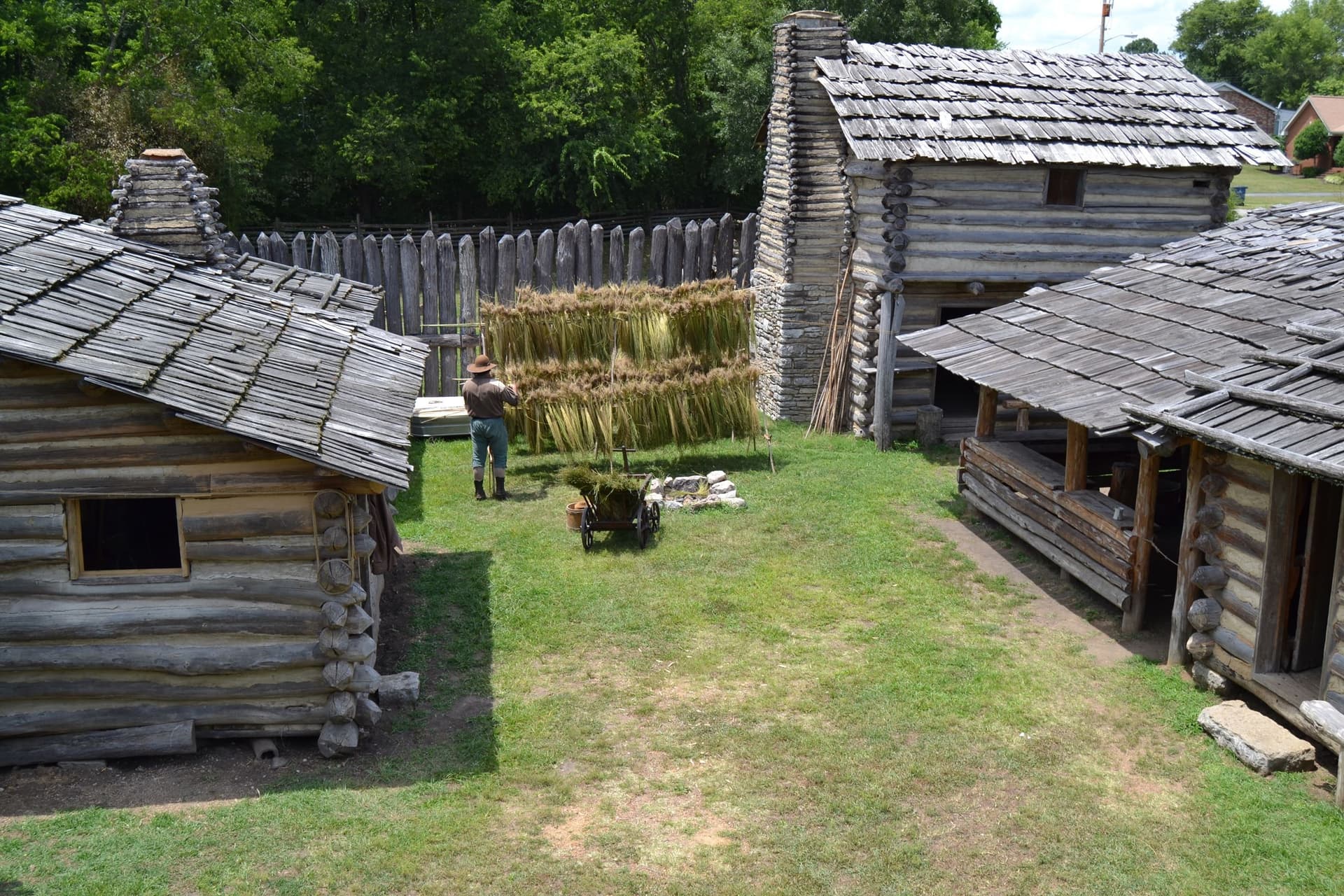
Mansker’s Station is an authentic reproduction of Kasper Mansker’s original frontier fort. In fact, it is one of the most accurate representations of a frontier fort in North America. On the west side of Mansker’s Creek, Kasper and his Immortal Seventy built their first defensive station. The inhabitants left during the winter of 1780–1781 because of increasing attacks from Creek and Chickamauga Indians. That 1779 station stood only for one year before being abandoned and burned to the ground. Yet, in 1783, Kasper Mansker returned and built a second station on the east bank of Mansker’s Creek, roughly one mile from Mansker’s 1779 Station. Almost two hundred years later, local historians, craftsmen, and community members petitioned Goodlettsville to build a replica of Mansker’s Station in Moss Wright Park. Goodlettsville opened Mansker’s Station in 1988. Research historians and reenactors even used eighteenth-century tools to build Mansker’s Station. Paid admission includes a guided tour with entry to both the Bowen House and Mansker's Station.

Address705 Caldwell Drive, Goodlettsville, Tennessee 37072
Rock Castle

Historical Site

Rock Castle

Address139 Rock Castle Lane, Hendersonville, Tennessee 37075
Contact(615) 824-0502 · info@historicrockcastle.com
Rose Mont

Historical Site

Rose Mont

Constructed1842

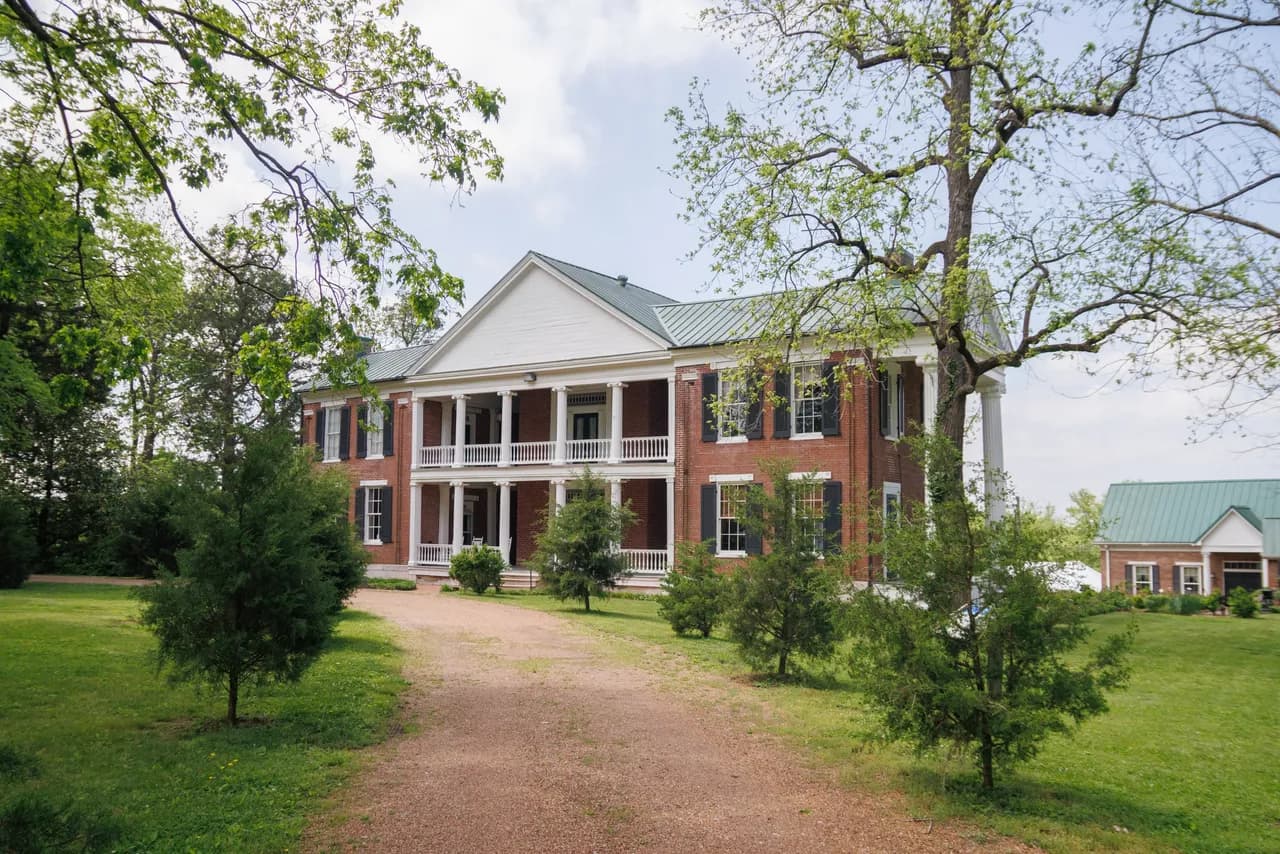
Historic Rose Mont, which is owned by the City of Gallatin, is available for weddings, meetings and other events. Rose Mont, built by Josephus Conn Guild, is a successful blending of Greek Revival and Paladian design in a rare tripartite design. It has handsome colonnaded galleries coupled with a two story pedimented portico and is recognized as one of Tennessee's outstanding Greek Revival houses by the National Register of Historic Places.

Address810 S Water Avenue, Gallatin, Tennessee 37066
Contact(615) 451-2331
Trousdale Place

Historical Site

Trousdale Place

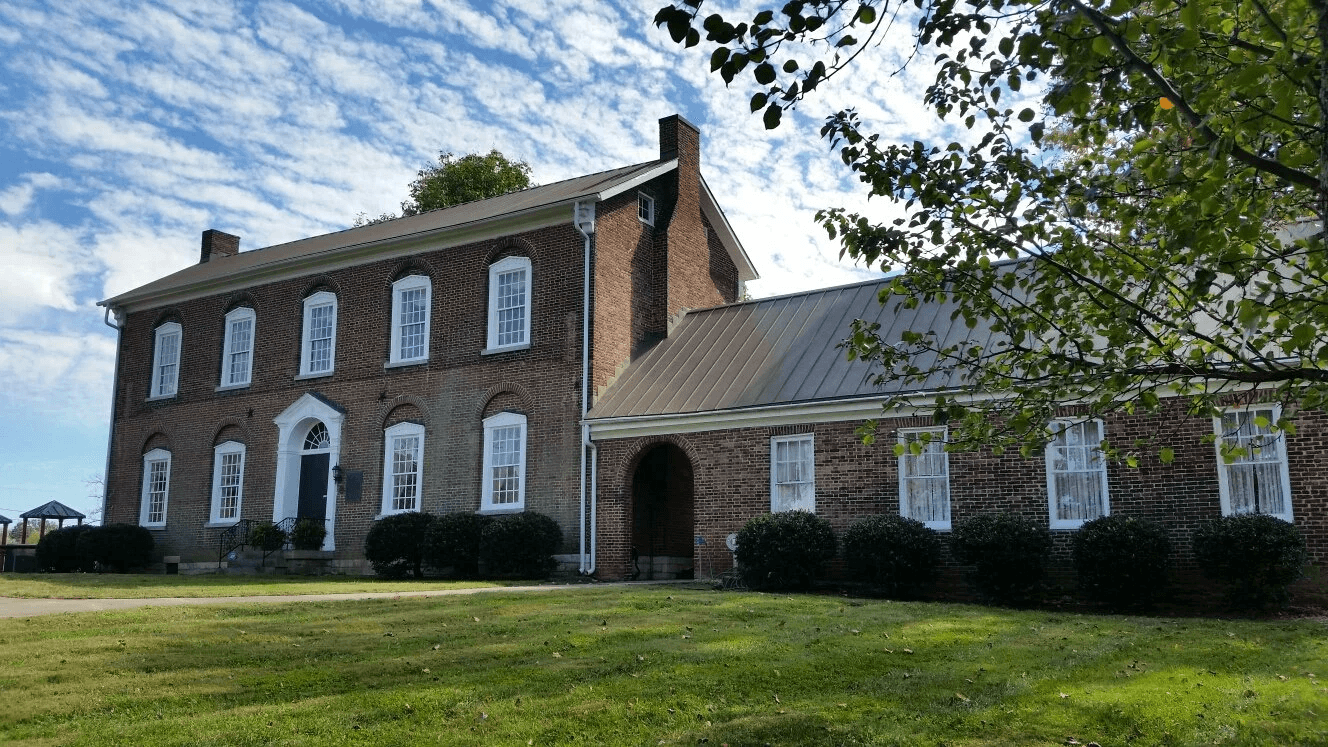
John Henley Bowen built the house in 1813 as a townhome that sat on one acre of land. Bowen was a prominent lawyer and was the first person from Sumner County to serve in the United States Congress. After his death in 1822, the house was sold to William M. Blackmore in 1835. Blackmore sold it to William P. Rowles, who finally sold it to William Trousdale in 1836 for $2,500. The house is considered a late Federal style house, a period that loosely ended in 1815. The house features Flemish-style brick walls on top of a limestone foundation. The exterior brickwork is unique in its semicircular openings above the windows, which were later filled in to accommodate traditional window panes. The arched walkway and the annex were added to the house in the 1840s to serve as housing for the Trousdale sons as they became old enough for their own space. The house was equipped with electricity and running water in the late 1890s. After 1900, the house was used as the first library in Gallatin, as well as a meeting place for Confederate veterans. It was later used as a USO dance hall during World War II as well as a community center with tennis courts, civic clubs, and social receptions. Many aspects of the house have been redone through the 1950s-1970s such as the floral wallpaper and light fixtures.

Address183 A West Main Street, Gallatin, Tennessee 37066
South Tunnel General Store

Historical Site

South Tunnel General Store

Constructed1859

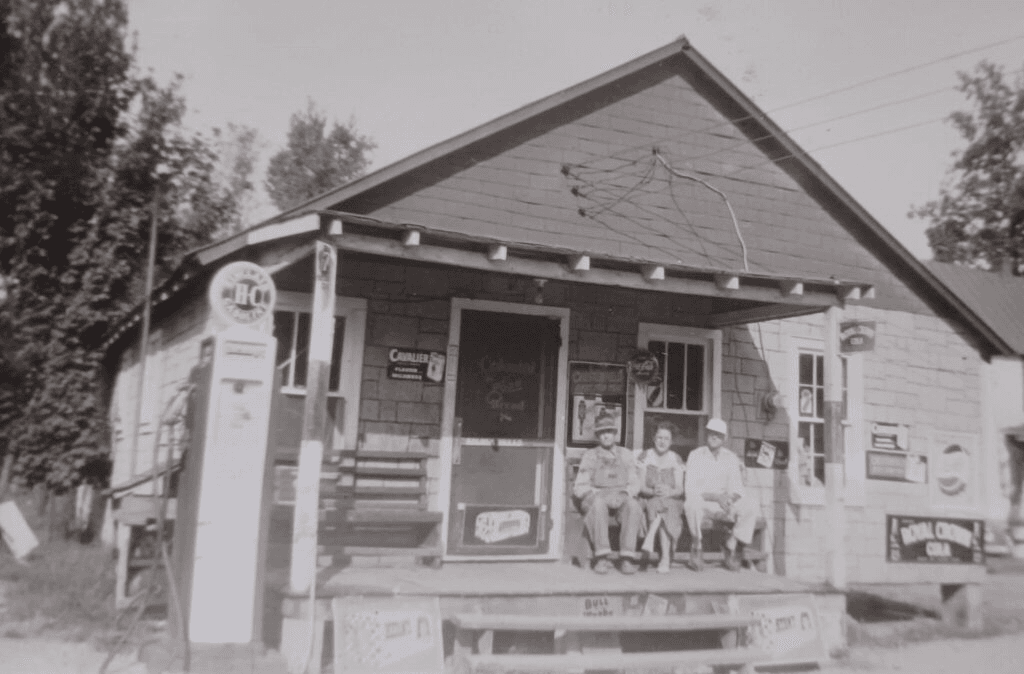
Sumner County is a haven to historic southern gems with ties to local, state, and national history. Historic Rock Castle was home to Daniel Smith, who is credited with the first official drawing of the state of Tennessee. The Douglass Clark House was the first courthouse in Sumner County with ties to former president Andrew Jackson in his early career practicing law. Now, the South Tunnel General Store is reclaiming its history as a true southern general store right in the heart of Gallatin, TN. The South Tunnel General Store was an early one stop shop for Sumner County residents. George Rodamore originally built the store in 1859 with the addition of the railroad being built in the in the area. Mr. Rodamore created the store as a location for goods, a post office, depot, and general gathering spots for the then residents. As the railroad continued to build and expand, the small general store would be moved eastward as a way to accommodate for the expanding railroad. The promise of growing prosperity and businesses from the addition of the railroad that would connect Nashville and Louisville was too attractive to pass.

Address310 South Tunnel Road, Gallatin, Tennessee 37066
The Bridal House

Historical Site

The Bridal House

Constructed1819

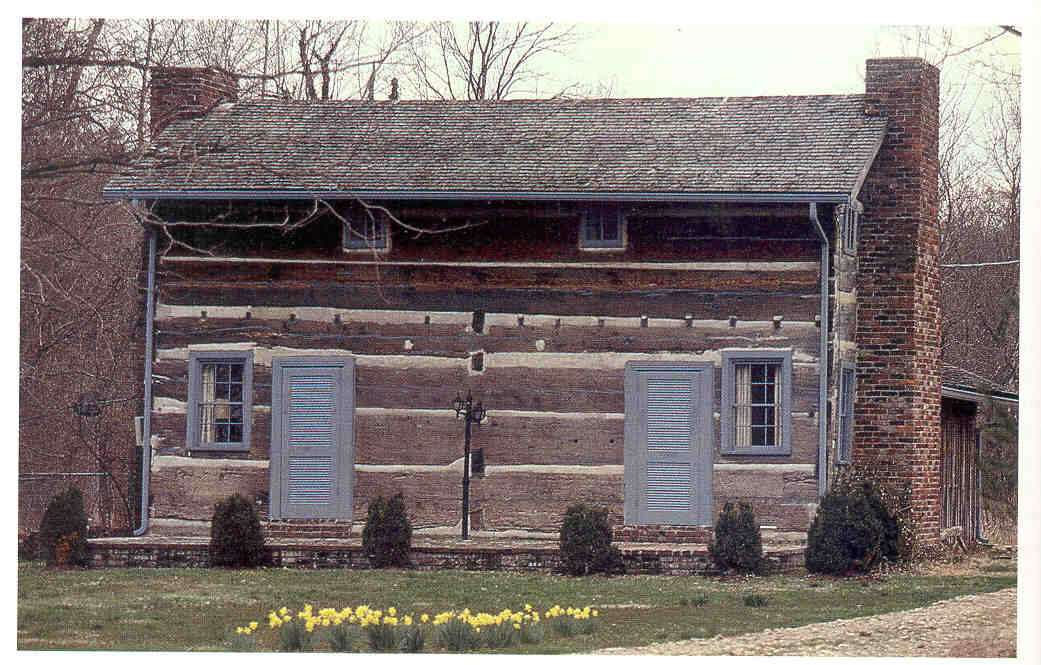
The historic home known as the Bridal House was built by Moore Cotton, who was the son of Thomas Cotton, one of the first settlers of Sumner County. The log home stands on the west bank of Station Camp Creek, and was built in 1819 as a wedding gift to his only daughter Elizabeth, who married Richard Hobdy, an apprentice who worked in Mr. Cotton’s blacksmith shop.

Address2315 TN-25, Gallatin, Tennessee 37066
Contact(615) 461-0819
The Palace

Historical Site

The Palace

Address,
The Temple Theatre

Historical Site

The Temple Theatre

Constructed1930s

Originally constructed in 1930s, the theatre served as a hub for motion pictures and live performances. In its early years, the Temple Theatre was a symbol of modernity, offering the community a new form of entertainment that quickly captured their hearts. However, like many historic theaters across the nation, the Temple Theatre faced challenges with the rise of cinemas and modern entertainment options. It experienced periods of closure and uncertainty, but the love and support of the local community kept it from being forgotten. A group of passionate individuals, the Portland Preservation Foundation, came together with a vision to restore and revitalize the historic theatre. Through their dedication and community support, the Temple Theatre was brought back to life showing off its renewed purpose as a cultural and artistic center for the town. The carefully restored architecture evokes a sense of nostalgia and adds to the theatre’s unique character. The grand marquee outside, adorned with light bulbs, harkens back to the golden age of cinema, inviting visitors to experience the magic within. Inside, the ornate details, rich colors, and plush seats create an ambiance that effortlessly blends history with contemporary comfort. Whether you’re attending a classic movie screening or a live performance, the Temple Theatre offers an intimate and immersive experience that larger modern venues often lack.

Address109 N Russel Street, Portland, Tennessee 37148
Contact(615) 745-5327 · templeadmin@templetheatretn.com
Wynnewood

Historical Site

Wynnewood

Constructed1830

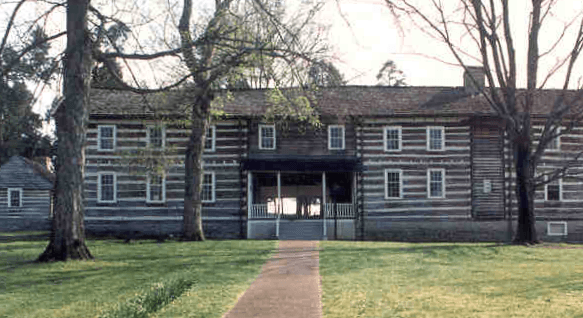
This is the largest 19th Century log structure still standing in Tennessee. The main house spans a length of 142 feet with an open breezeway through the center. Some of the logs comprising the walls are 32 feet long. Most are oak, some walnut, and others ash. None are the more typical poplar. In the late 1800s, the resort was expanded with summer cottages, a dance pavilion, a bowling alley, and a pool room. By 1915, however, mineral springs were becoming less fashionable, causing the Wynne family to close the business. They continued to work the farm and make the inn their home. Completed Circa 1830, Wynnewood was built of materials plentiful on the site. The foundation walls were formed of limestone blocks quarried from the adjacent hillside. The same material was used to build the original chimneys. Sturdy hardwood logs, many as long as thirty-two feet and all cut from nearby trees, were squared to 8” by 16”; V-notched; and set into place on the foundation, forming the walls of the two story building. The roof, latticed with wide boards, was then covered with hand-split wood shingles. The main building is 142 feet long (see photo below), including the kitchen. A breezeway or “dogtrot” divides it in two. A gallery runs 110 feet across the back. All rooms on the first floor either open onto the dogtrot or the gallery. Rooms on the second floor were reached by one of the two stairways, the principal one rising from the dogtrot and the second one originally rising from the family gathering room. The interior walls of the rooms were originally unfinished. In 1836 Almira had a number of them plastered, as instructed by her husband. In a letter from Natchez, he advised her to 'brave the difficulties and have it finished before bad weather.' A large detached kitchen (~20feet x 20feet) is located at the west end of the house. Today it is connected by a covered walkway. The massive fireplace is fronted by a stone hearth that spans one entire wall. This large cooking area was essential to providing three meals a day for the Wynne family and their resort guests.Southeast of the main house still stands a one room log cottage with a large stone fireplace. It was one of several cottages that were rented to resort guests at their highest rate. One of them served as office and living quarters for the local medical doctor.

Address210 Old Hwy 25, Castalian Springs, Tennessee 37031
Contact(615) 452-5463 · director@historiccastaliansprings.org
Monthaven Arts & Cultural Center

Historical Site

Monthaven Arts & Cultural Center

Constructed2017

The Monthaven Arts and Cultural Center (MACC) is Sumner County’s premier arts organization. A nonprofit launched in 2017 and located in Hendersonville, Tenn., the MACC offers art classes and stages world-class art exhibitions in our headquarters at Monthaven Mansion, a spectacular antebellum home built in the 1850s. Once serving as a field hospital during the Civil War, Monthaven’s galleries and halls now exist to create vibrant arts and cultural experiences for people of all ages.

Address1017 Antebellum Circle, Hendersonville, TN 37075
Contact+1 (615) 822-0789 · admin@monthavenarts.org
Portland History Museum - Cold Springs School

Historical Site

Portland History Museum - Cold Springs School

Constructed1857

Address303 Portland Boulevard, Portland, Tennessee 37148
Contact+1 (615) 325-2279
Sumner County Museum

Historical Site

Sumner County Museum

Constructed1975

The Sumner County Museum was founded in 1975 by John Garrott, Robert Ramsey, and others who were passionate about preserving the history of Sumner County. Since then, the Museum has welcomed thousands of visitors to engage with and learn about the rich history of Sumner County.

Address183 W Main St, Gallatin, Tennessee 37066
Contact615-451-3738 · contact@sumnercountymuseum.org
Union High Museum

Historical Site

Union High Museum

Address,

Looking Ahead

A Living Record of Place

As the Sumner 250 project continues, this page can expand to include more sites, deeper interpretation, images, partner information, and educational context that help bring local history into clearer view.